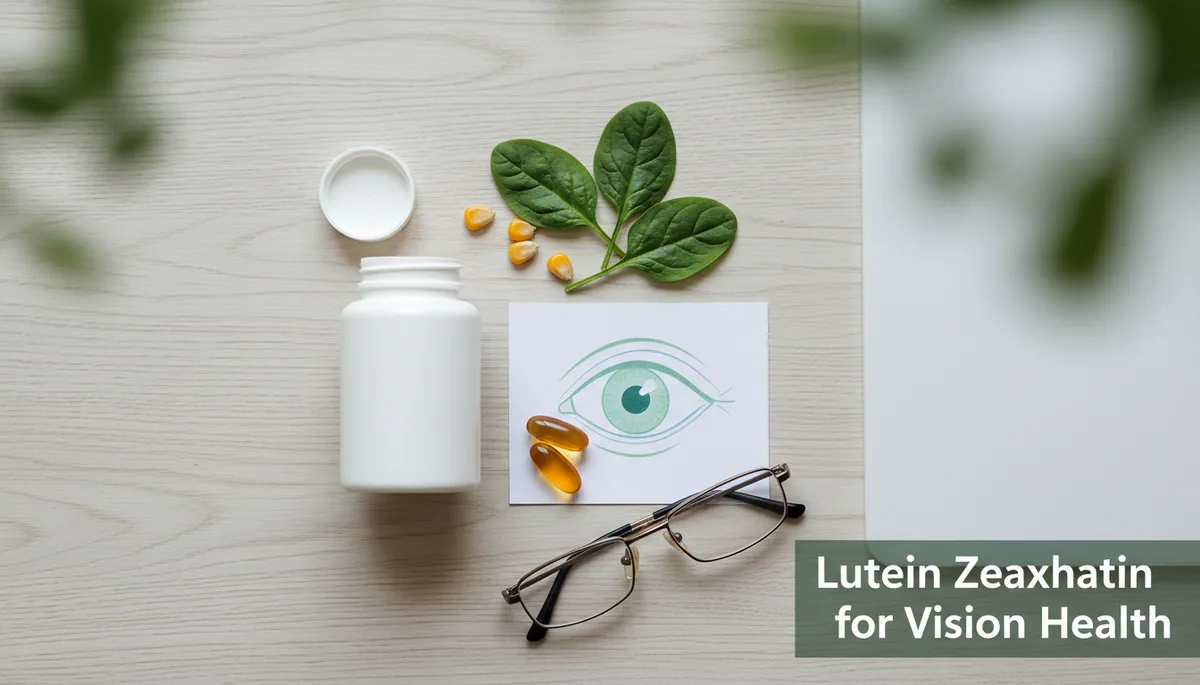
Ingredient Deep Dive: Lutein and Zeaxanthin in Vision Supplements for Aging Eyes
This concise, evidence-based guide explains what lutein and zeaxanthin do in the eye, why they matter for aging vision, what the research shows, and practical advice for choosing an effective supplement. ⏱️ 4-min read
What are lutein and zeaxanthin? Roles in the retina
Lutein and zeaxanthin are carotenoid pigments—specifically xanthophylls—found in high concentrations in the macula and retina. Unlike provitamin A carotenoids (for example, beta‑carotene), these two are not converted to vitamin A; instead they sit in retinal tissue where they provide two important functions:
- Blue‑light filtering: they absorb short‑wavelength light that can cause photochemical damage, reducing oxidative stress on photoreceptors.
- Antioxidant protection: they scavenge free radicals and support cellular health in retinal cells, helping protect against light‑induced and age‑related damage.
Macular pigments and aging eyes: why they matter
The combined presence of lutein and zeaxanthin is often referred to as macular pigment. Macular pigment optical density (MPOD) tends to decline with age and can be lower in people at risk for or living with age‑related macular degeneration (AMD).
Higher macular pigment is associated with improved contrast sensitivity, reduced glare, and possibly slower progression of certain retinal changes. For aging eyes, maintaining or increasing macular pigment is a logical target to help preserve visual function.
What the evidence shows
Large clinical studies and reviews give the strongest guidance we have. The Age‑Related Eye Disease Study 2 (AREDS2) tested adding lutein (10 mg) and zeaxanthin (2 mg) to a supplement formula and found benefit in reducing progression to advanced AMD, especially in people with low dietary intake of these carotenoids. Other randomized trials and meta‑analyses support modest improvements in macular pigment, contrast sensitivity, and some measures of visual function with supplementation.
Key takeaways:
- Supplements can raise macular pigment and improve some visual measures in older adults.
- The clearest clinical benefit is in lowering risk of progression to advanced AMD when included in AREDS‑style formulations.
- Dietary intake and baseline pigment levels influence how much benefit a person sees.
Dosage, forms, and bioavailability
Typical doses
- Common, evidence‑based dose: lutein 10 mg + zeaxanthin 2 mg (AREDS2).
- Supplement formulations range from about 6–20 mg lutein and 0.5–4 mg zeaxanthin; higher doses are used in some products but long‑term effects are less established.
Forms and absorption
Lutein and zeaxanthin are fat‑soluble. Formulations that deliver them in an oil suspension, softgel, or with dietary fat improve absorption. Egg yolks, avocados, and cooking with a little oil increase uptake from food. Some products include meso‑zeaxanthin (a macular isomer); evidence shows it can raise macular pigment but its necessity for everyone is debated.
How to choose an effective vision supplement
When evaluating products, use a practical checklist rather than relying on marketing claims.
- Dose and ratio: aim for products that provide around 10 mg lutein + 2 mg zeaxanthin if you want an AREDS2‑based option.
- Formulation: oil‑based delivery or a formulation designed for fat‑soluble absorption is preferable.
- Avoid unnecessary beta‑carotene if you are a current or former smoker—beta‑carotene increases lung cancer risk in smokers.
- Third‑party testing: look for USP, NSF, or ConsumerLab verification for potency and purity.
- Transparent labeling: the label should list exact amounts per serving and all active ingredients.
- Clinically studied blends: products that reference clinical trials (AREDS2 or other peer‑reviewed studies) are more credible than proprietary blends with undisclosed amounts.
Safety, interactions, and who should consult a clinician
Lutein and zeaxanthin are generally well tolerated with few reported adverse effects at typical supplement doses. Still:
- High, long‑term doses have not been studied exhaustively—stick to evidence‑based ranges unless advised by a clinician.
- Beta‑carotene in supplements should be avoided by current or former smokers due to increased lung cancer risk observed in trials.
- If you take prescription medications, are pregnant, nursing, or have liver disease, check with your healthcare provider before starting any supplement.
Dietary sources and lifestyle context
Supplements can help, but dietary habits and lifestyle choices matter too. Foods rich in lutein and zeaxanthin include:
- Leafy greens: kale, spinach, collards
- Egg yolks (notably bioavailable)
- Corn, orange peppers, squash, peas
Simple habits that support eye health: eat a varied, colorful diet, include some healthy fats for absorption, protect eyes from UV/blue light with sunglasses, control cardiovascular risk factors, and avoid smoking.
Practical next steps for adults 50+
If you’re considering supplementation:
- Assess your diet: increase leafy greens and foods with lutein/zeaxanthin where possible.
- Choose a supplement with clear labeling and an AREDS2‑style dose (10 mg lutein / 2 mg zeaxanthin) if your concern is AMD risk or low dietary intake.
- Buy products with third‑party verification and oil‑based formulations for better absorption.
- Discuss with your eye doctor or primary care clinician—especially if you have existing eye disease, smoke, or take medications.
In summary: lutein and zeaxanthin are key macular pigments that play a protective role in aging eyes. For many adults over 50, achieving adequate dietary intake and, when appropriate, using a well‑chosen supplement can be a reasonable part of a broader strategy to support long‑term eye health.
For more information please visit: vision health supplements
Tags: ingredient deep dive, lutein and zeaxanthin, vision supplements, aging eyes, the eye, aging vision, the research, evidence-based guide, this concise, what lutein